Most tunnel projects don't go over budget because of excavation.
They go over budget because of decisions made long before excavation begins.
The hidden cost in tunnel engineering is not concrete, steel, or machinery.
It's constructability.
A tunnel may look perfect on drawings, but can it actually be built efficiently?
Can equipment access the workface safely?
Can the construction sequence be executed as planned?
Are ventilation systems, MEP services, emergency exits, cable routes, and structural elements coordinated for installation—not just design?
These are questions that often receive attention too late.
❗ Common mistake:
Designing for compliance rather than designing for construction.
When constructability reviews happen after design completion, teams often discover:
• Installation conflicts
• Restricted access zones
• Equipment clearance issues
• Temporary works requirements
• Sequencing constraints
• Unplanned rework
Every one of these issues carries a cost.
Not only in money, but also in delays, claims, productivity loss, and stakeholder confidence.
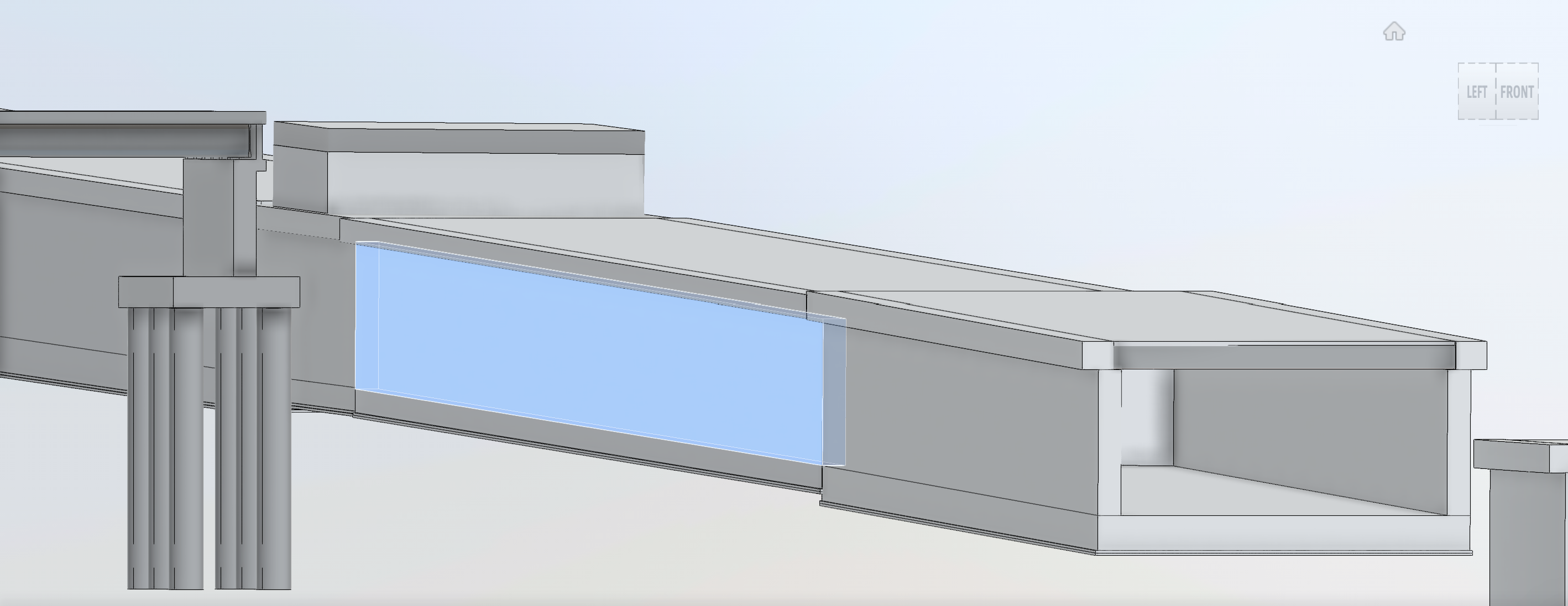
This is where BIM, Digital Twins, and 4D Construction Simulation create real value.
Not because they produce attractive models.
But because they allow project teams to build the tunnel virtually before building it physically.
Construction sequences can be rehearsed.
Access routes can be tested.
Installation methodologies can be validated.
Risks can be identified months before crews arrive on site.
The inefficiency no one talks about is that many tunnel projects still use technology to document design rather than challenge it.
The projects that perform best are not necessarily the ones with the most advanced engineering.
They are the ones that identify construction risks while they are still digital and inexpensive to solve.
Because finding a problem in a model costs hours.
Finding the same problem underground can cost millions.
Visit our portfolio page for Tunnel related project.